Wreck: Black Coral
Depth: 35-40m
Certification Level: Deep Diver
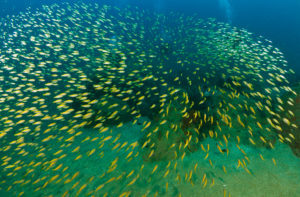
An identified wreck covered in large black coral trees. A small but interesting site full of fish life and color. Expect schools of snappers, large angelfish, and lots of lionfish. Large stingrays often hang around on the sand nearby. A deep site for experienced divers only due to depth and currents.
Wreck: SS Perseus
Depth: 30-40m
Certification Level: Deep Diver
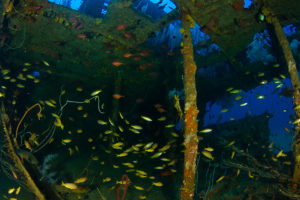
A 135m long WWI British armed merchantman that sank in February 1917 after striking a sea mine laid by the German raider SS Wolf. This is a large wreck that requires several dives to fully explore. Large schools of snapper can be found near the stern while napolean wrasses, groupers and red snapper make the wreck their home. A fantastic dive suitable only for very experienced divers due to its depth and strong currents.
Wreck: Wallet
Depth: 30-40m
Certification Level: Deep Diver
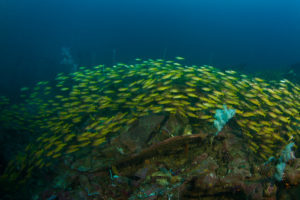
An unknown wreck sitting on sand at a depth of 40m, the wreck is covered in soft coral and is a magnet for fish, especially fusiliers and snappers. Giant trevally and large barracuda are also frequently seen here. Visibility is usually very good here making it an ideal place for wide-angle wreck photography. Suitable only for very experience divers due to depth and currents.
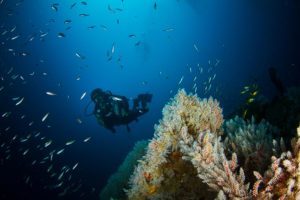
Reef: Gorgonian Garden
Depth: 34-36m
Certification Level: Deep Diver
A beautiful garden of large gorgonian sea fans and sea whips on a flat rubble bottom. Fish life is a bit sparse but there are a few coral domes where fish tend to congregate. Some of the large fans are around 2m across and perfect for wide-angle photography.
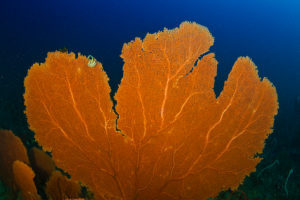
Reef: Palagala
Depth: 8-14m
Certification Level: Beginner, Open Water
Just 800m from the beach this is a rocky ridge parallel to the shore with an abundance of nudibranchs, scorpionfish, pipefish, octopi and other macro subjects. The seaward edge of the reef is covered in small sea fans and lobsters and stingrays can be found under ledges and overhangs.
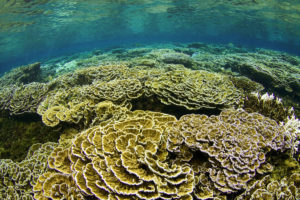
Reef: Barracuda Reef
Depth: 19-24m
Certification Level: Advanced Open Water
An extensive rocky reef with encrusting coral. The southern end of the reef is covered in blue soft corals. Lots of macro critters such as banded shrimps, cleaner shrimps, hermit crabs, cowry’s, nudibranchs, pipefish, scorpionfish and if you are lucky, even a ghost pipefish.
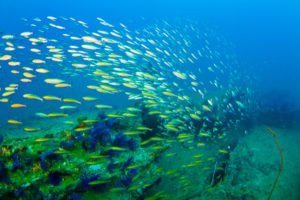
Wreck: Panadura
Depth: 5-14m
Certification Level: Open Water
This site southwest of the Panadura estuary mouth is home to the remains of three old wrecks scattered over a large area of reef and rock boulders. The wrecks are broken up but you can find steam boilers, anchors and a propeller, along with a large mid-section of one of the wrecks. An easy shallow dive for beginners and a nice change from the deeper wrecks in Colombo.
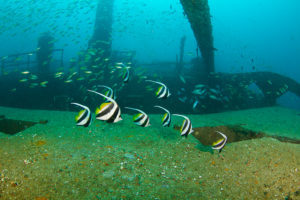
Wreck: Moratuwa
Depth: 10-14m
Certification Level: Open Water
A small wreck of what seems like an old navy inshore patrol craft sitting on the edge of a rocky reef at a depth 14m. An easy, shallow dive suitable for beginners, and a nice change from the deeper wrecks around Colombo. While the wreck is small you can also explore the reef and hunt for macro critters.
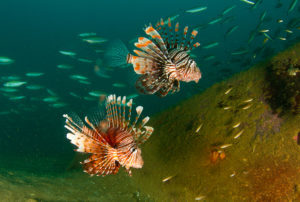
Wreck: SS Worcestershire
Depth: 45-57m
Certification: Tec 50 or equivalent (Special expeditions only)
Another WWI British armed merchantman that sank after hitting a German sea mine in February 1917. One of the best wreck dives in Sri Lanka with excellent coral and fish life. Colorful soft corals, black corals, whip corals and sea fans have covered the wreck. Resident fish include napolean wrasses, giant sweetlips, giant trevally as well as large schools of snappers and fusiliers. The ship sits upright at a depth of 57m, with the upper sections at around 45m. Available only as a special trip for certified technical divers.
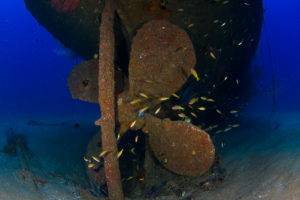
Wreck: Battery Barge
Depth: 42-45m
Certification Level: Tec 45 or equivalent (Special expeditions only)
Known to local fishermen as the Battery Barge this unidentified wreck lies at a depth of 45m. Black corals, whip corals and small sea fans adorn most of the remaining structure and fish life includes snappers, groupers, lionfish, and on many days a school of small barracuda. A great place to spot the elusive long nosed hawkish. Available only as a special trip for certified technical divers.
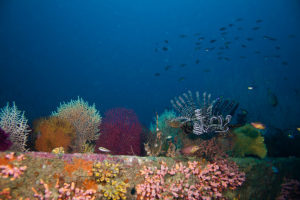
Reef: Gingiripita (Taprobane East)
Depth: 20-25m
Certification Level: Advanced Open Water
A large offshore patch reef with scattered coral domes spread over a flat terrain. Although marine life is spread out and not concentrated in one area you can find a variety of species from frogfish and pipefish to mobula rays and eagle rays.
Reef: Pitagala
Depth: 20-25m
Certification Level: Advanced Open Water
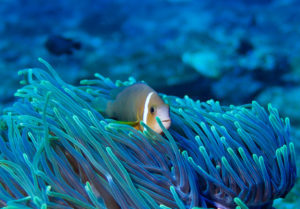
A small offshore patch reef that is similar to Gingiripita. The sand and rubble zones harbor interesting species such as dragonets, smoothheads and shrimp gobies. Frogfish and ghost pipefish have also been spotted here. This site is best when the currents are strong and schooling bannerfish, batfish and unicornfish congregate around the coral domes.
Reef: Snapper Alley
Depth: 25-32m
Certification Level: Advanced Open Water
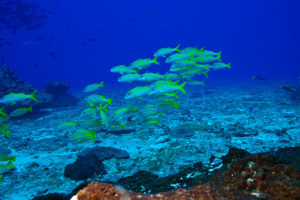
Part of an extensive sandstone reef system running parallel to the shore with lots of cracks and overhangs for fish to hide. The ledges on the seaward side are the haunts of some large napolean wrasses. Lots of reef fish such as angelfish, sweetlips, snappers, wrasses and lionfish.
Reef: Anchor Point
Depth: 20-24m
Certification Level: Advanced Open Water
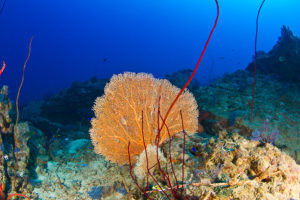
Rocky ridge with ledges and a profuse growth of blue and purple soft coral. Lots of reef fish including emperors and trevally. We have spotted nurse sharks and bamboo sharks here as well. Electric rays are particularly common here.
Reef: Mid Point
Reef: Ten Fathoms
Depth: 15-18m
Certification: Level Open Water
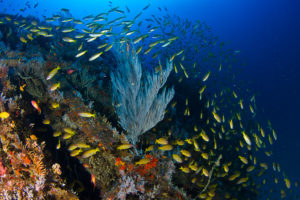
An inshore rocky reef with a maximum depth of ten fathoms (18m). There are barrel sponges and whip corals, and stingrays are often seen on the sand.
Reef: Bandiyagala
Depth: 12-18m
Certification Level: Open Water
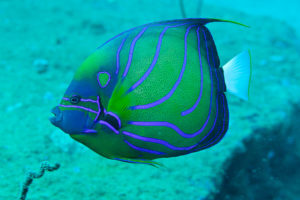
A small nearshore patch reef covered in whip corals. Critter enthusiasts can search for pipefish, scorpionfish, octopi, nudibranchs, whip coral gobies on the reef, or shrimp gobies on the sandy areas.